IMF Reveals El Salvador’s Bitcoin Holdings Grew Through Private Gifts, Not Government Spending

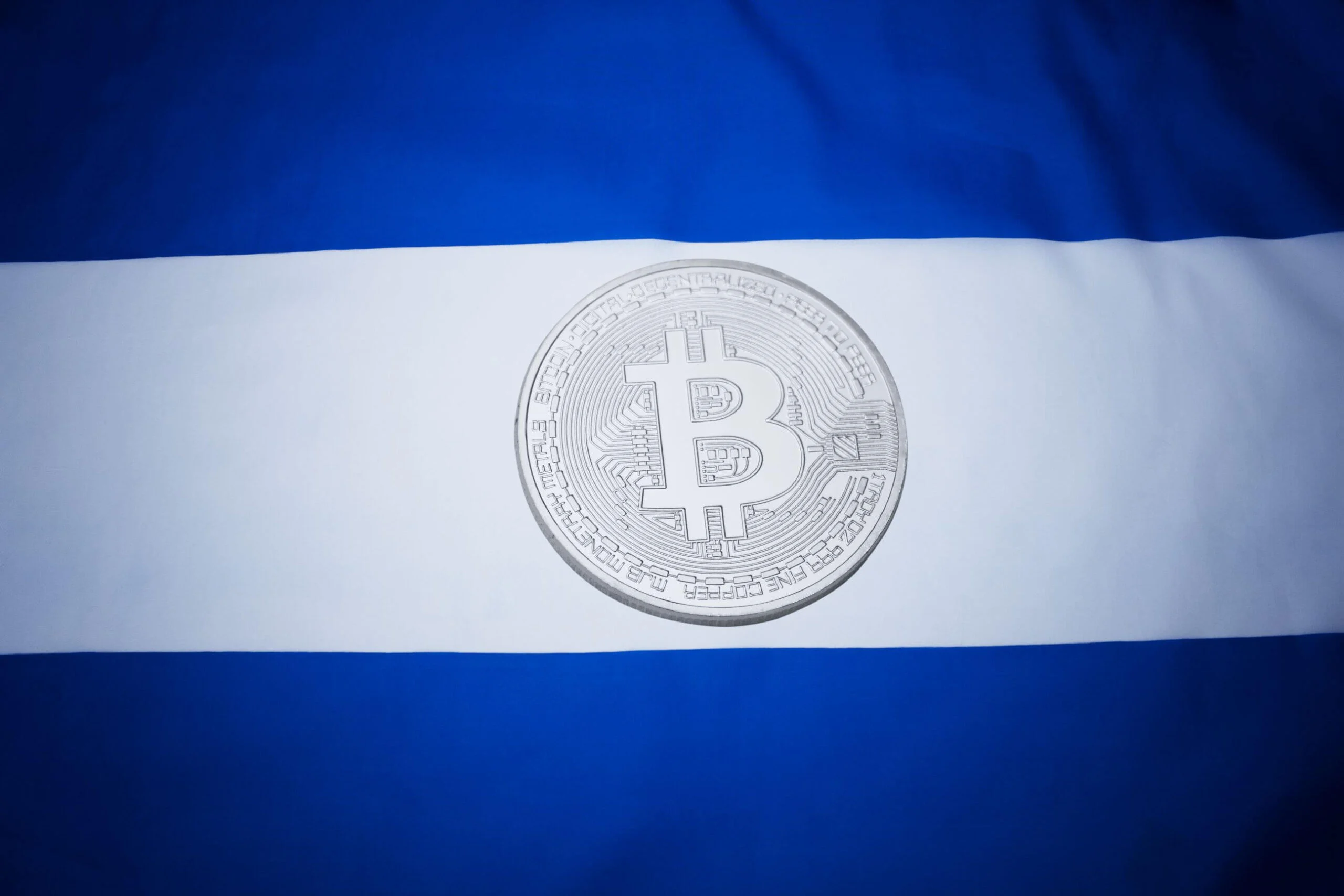
Key Points
International Monetary Fund verified that El Salvador didn’t deploy public funds for Bitcoin acquisitions following its June 2025 loan assessment
Documentation from Salvadoran officials shows all cryptocurrency additions originated from private contributions
The nation’s Bitcoin treasury currently contains 7,764 BTC, valued at approximately $628 million
Control and majority stake of the Chivo digital wallet shifted to private sector management
Pending IMF board approval, El Salvador stands to receive approximately $140 million in disbursements
The International Monetary Fund has verified that [[LINK_START_0]]El Salvador[[LINK_END_0]] avoided using taxpayer funds to expand its cryptocurrency treasury following the initial assessment of its $1.4 billion financing arrangement in June 2025. Official records submitted by El Salvador’s government demonstrated that cryptocurrency additions originated from private philanthropic contributions.
This verification arrives following El Salvador’s November 2025 disclosure that it obtained 1,090 Bitcoin valued at $100 million, which sparked concerns regarding potential violations of its IMF financing conditions.
The Path to El Salvador’s Expanding Bitcoin Treasury
During December 2024, El Salvador committed to restricting government involvement in Bitcoin operations as a condition of its IMF arrangement. The agreement made cryptocurrency acceptance optional for private businesses, mandated tax payments exclusively in US dollars, and required reduced governmental participation in the Chivo cryptocurrency platform.
By March 2025, IMF documentation explicitly prohibited discretionary Bitcoin acquisition by governmental entities. President Nayib Bukele responded firmly, declaring that purchases would continue and that El Salvador would maintain its strategy of accumulating a minimum of one Bitcoin daily.
El Salvador’s National Bitcoin Office maintained regular public disclosures demonstrating continued accumulation activity. The IMF stated in July 2025 that zero new Bitcoin purchases occurred since December, explaining balance increases resulted from internal governmental wallet consolidation processes.
The situation intensified with November 2025’s announcement regarding the 1,090 Bitcoin acquisition, reigniting questions about adherence to agreement terms.
The IMF’s current position references documentation from El Salvador verifying the additions represented private contributions rather than governmental acquisitions. The organization indicated no additional accumulation beyond these charitable donations is anticipated.
Private Sector Assumes Control of Chivo Platform
The IMF additionally verified that controlling interest and day-to-day management of the Chivo platform has transitioned to private sector ownership. The government retained a minority position while maintaining accountability for safeguarding customer digital assets. The IMF declined to disclose the private operator’s identity.
El Salvador pioneered Bitcoin adoption as official currency in 2021, establishing itself as the inaugural nation to implement such legislation. Chivo served as the state-supported digital wallet introduced concurrent with that historic decision.
Both parties reached consensus on measures to enhance regulatory frameworks governing cryptocurrency and to reinforce monitoring of Bitcoin maintained by governmental agencies.
El Salvador’s current Bitcoin holdings total approximately 7,764 coins. With Bitcoin trading near $80,900 per unit, the national reserve carries an estimated value of $628 million.
The newest staff-level understanding encompasses the merged second and third assessments of El Salvador’s 40-month Extended Fund Facility program. Subject to IMF executive board authorization, the agreement would unlock approximately $140 million in financial support for the nation.
The IMF provided no information identifying the private contributors or detailing individual donation amounts.
