How a former crypto user’s archived Binance data ended up in a foreign terrorism prosecution

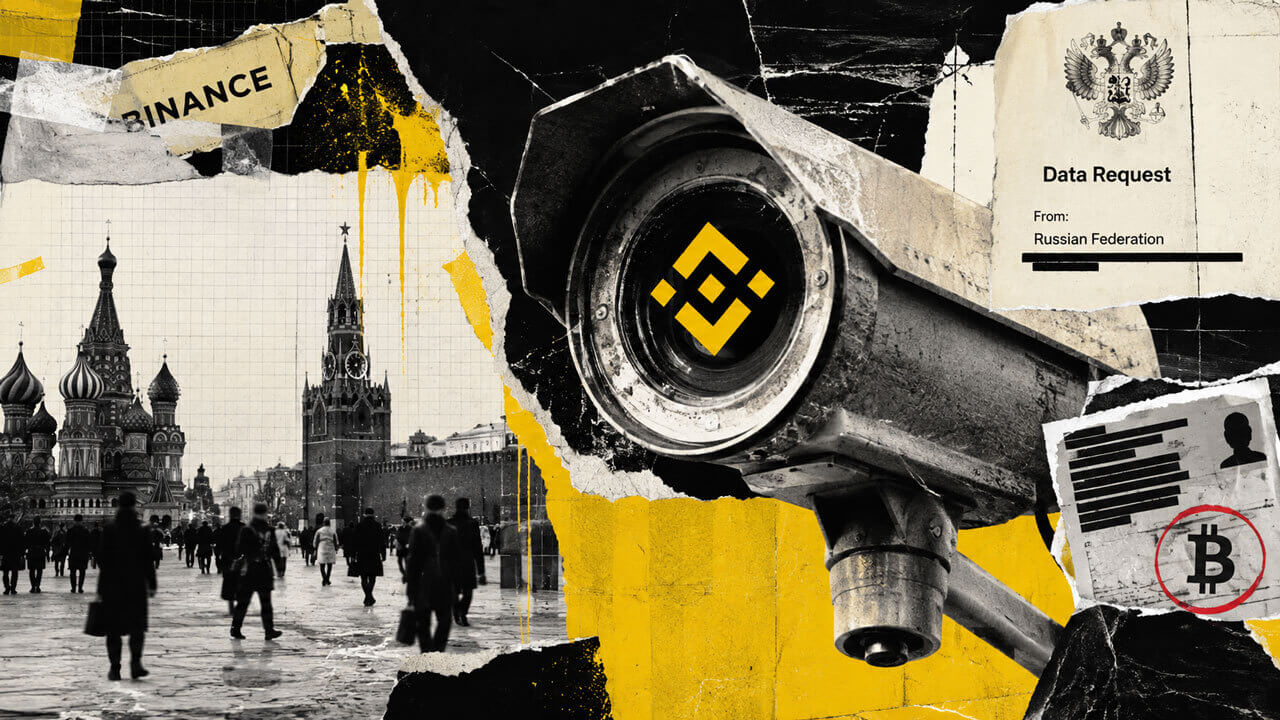
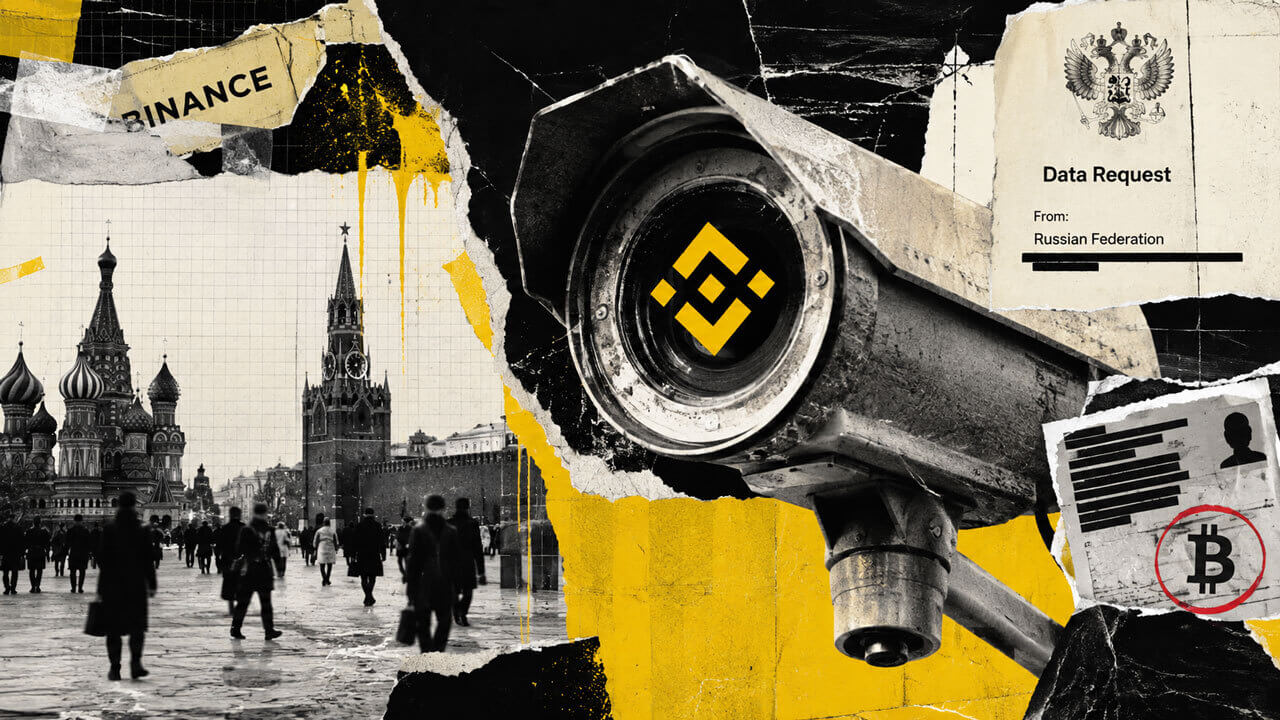
When Russian investigators detained IT specialist Yuri Belenkiy in September 2025, Binance had been formally out of Russia for almost two years. Its customer records, however, were still available.
Law enforcement documents reviewed by Reuters show that Binance supplied personal and transaction data later incorporated into a Russian terrorism-financing case against Belenkiy.
The 49-year-old Russian passport holder, who also has a Bulgarian residence permit, is accused of sending more than $700 in crypto to Ukrainian recipients between January 2023 and March 2024. Russian authorities say the payments supported a group linked to the Azov military unit, which Moscow designates as a terrorist organization.
Belenkiy is in a Russian jail awaiting trial, and the allegations have not been adjudicated.
The case exposes a hard limit to what an exchange exit means for its former customers. A company can sell its local operation, stop onboarding users, and remove its staff. It may still retain years of passports, addresses, and account histories because financial law requires recordkeeping. Those files are available and accessible long after the commercial relationship that created them ends.
Withdrawing crypto might end the custody relationship, but copies of the identity and transaction data already submitted can stay behind.
The business left, but the archive stayed
Binance announced the sale of its Russian business to CommEX on Sept. 27, 2023. It presented the deal as a complete exit, said operating in Russia no longer fit its compliance strategy and denied any continuing revenue split or buyback option. Crypto Finderss reporting at the time described the sale and Binance’s denial of ownership ties to CommEX.
The documents reviewed by Reuters describe a later law enforcement request for transaction records connected with Belenkiy. A response sent from an address using the domain binanceholdings.ru included a file with his date of birth, residential address, phone number, and passport number. It also contained copies of his passport and Bulgarian residence permit, according to the report.
Russian investigators folded the transaction history into their case. One request also sought details of other Binance customers who transferred funds to the same wallet. Reuters could not establish whether Binance identified any of those users.
| Date | Event |
|---|---|
| Sept. 27, 2023 | Binance announces sale of its entire Russian business to CommEX |
| January 2023 to March 2024 | Transactions cited by Russian authorities occur |
| September 2025 | Russian authorities detain Belenkiy |
| October 2025 | Investigative Committee presents terrorism-financing allegation |
| 2025 request period | Binance customer and transaction data enter the investigative file |
The documents stop short of establishing that Binance secretly kept operating its old Russian exchange. Data cooperation and customer servicing, however, are different activities. The biggest lesson here is that the practical reality of leaving a jurisdiction depends heavily on which layer is examined.
An operating exit can end new accounts and trading. A corporate exit can remove the local entity or staff. A data exit would require deletion, transfer, or legal isolation of historical records. Financial companies rarely promise the last one because anti-money laundering and record-retention rules often require them to preserve customer material.
Binance told Reuters that it cooperates with lawful law enforcement requests under applicable legal, privacy and regulatory requirements. The exchange also said it does not decide what charges authorities file or how they use information once produced.
Its public government law enforcement guidelines say officials must provide supporting documents and a valid court order, police order, or warrant from a competent jurisdiction. Requests must state their legal basis. Binance says it may require additional information to confirm that disclosure is lawful and may notify the user unless a valid order or warrant bars notice. Preservation requests keep records for 90 days and can be renewed.
Those procedures explain how disclosure is supposed to work. The public record doesn’t establish which Binance legal entity controlled Belenkiy’s account, which law compelled the production, or whether he received notice.
KYC turns a public transaction into a named history
A blockchain records transfers under addresses rather than passport names. That pseudonymity can be powerful until an address touches a centralized exchange.
An exchange’s know-your-customer file supplies the missing key. It can connect a wallet or deposit address to a name, phone number, address, document image, and device data. Internal transaction records can add the route between an on-chain transfer and an exchange account. Once the identity file and public ledger are joined, investigators can reconstruct activity that occurred years earlier.
That’s the crypto privacy paradox that regulation created. Governments required centralized exchanges to collect more identifying data to deter money laundering, sanctions evasion and fraud. The same system produces a durable archive that can be used in tax cases, political investigations, or prosecutions under national security laws.
The permanence works in both directions. A blockchain can preserve evidence of criminal finance. It can also preserve a lawful donation that a government later classifies as criminal, but the ledger cannot tell those uses apart. The legal system that attaches a name and offense to the transfer does that.
Belenkiy’s case is especially sensitive because Russian authorities classify Azov as a terrorist organization and treat related support accordingly. A donation framed elsewhere as assistance to Ukraine can carry a radically different legal meaning inside Russia. Binance’s role was to provide records, not to make that classification.
This is why modernized identity systems are becoming central to crypto policy. Crypto Findershas covered proposals to use zero-knowledge proofs for financial compliance, allowing a customer to prove an attribute without handing every verifier a reusable copy of the underlying document. Such systems preserve lawful disclosure while reducing how many complete identity files exist across intermediaries.
Privacy rights don’t guarantee deletion
Belenkiy’s Bulgarian residence permit adds an unresolved European issue. A residence card alone cannot establish that he was a customer of an EU Binance entity or that the General Data Protection Regulation (GDPR) governed the disclosure. Reuters couldn’t determine his registration entity, so the available facts offer no basis for alleging that Binance violated EU law.
If an EU entity controlled the account, GDPR rules would still require a legal basis and safeguards for sending personal data outside the bloc. The European Commission’s guidance on international transfers explains that European protections can follow the data. Companies need an adequacy decision, approved safeguards, or a valid derogation.
Nor does GDPR create an unconditional right to erase an old exchange account. The Commission’s explanation of individual rights says erasure can be refused when processing is required by law or needed for legal claims. Its example is a bank that must retain former customer details for 10 years even when the customer asks for deletion.
That distinction leaves users with two very different forms of control. Moving coins to self-custody removes the exchange from future custody and can limit new account records. Closing an account may stop future use. Neither action erases transactions already written to a public chain or records an intermediary must legally keep.
Binance’s Russian exit was real at the level it announced: it sold the business and wound down local service. Belenkiy’s prosecution exposes the extra layer carried by former customers. Companies leave markets on a corporate timetable. Personal data leaves, if it leaves at all, on a legal one.
The post How a former crypto user’s archived Binance data ended up in a foreign terrorism prosecution appeared first on Crypto Finders
